
Last updated November 15, 2026
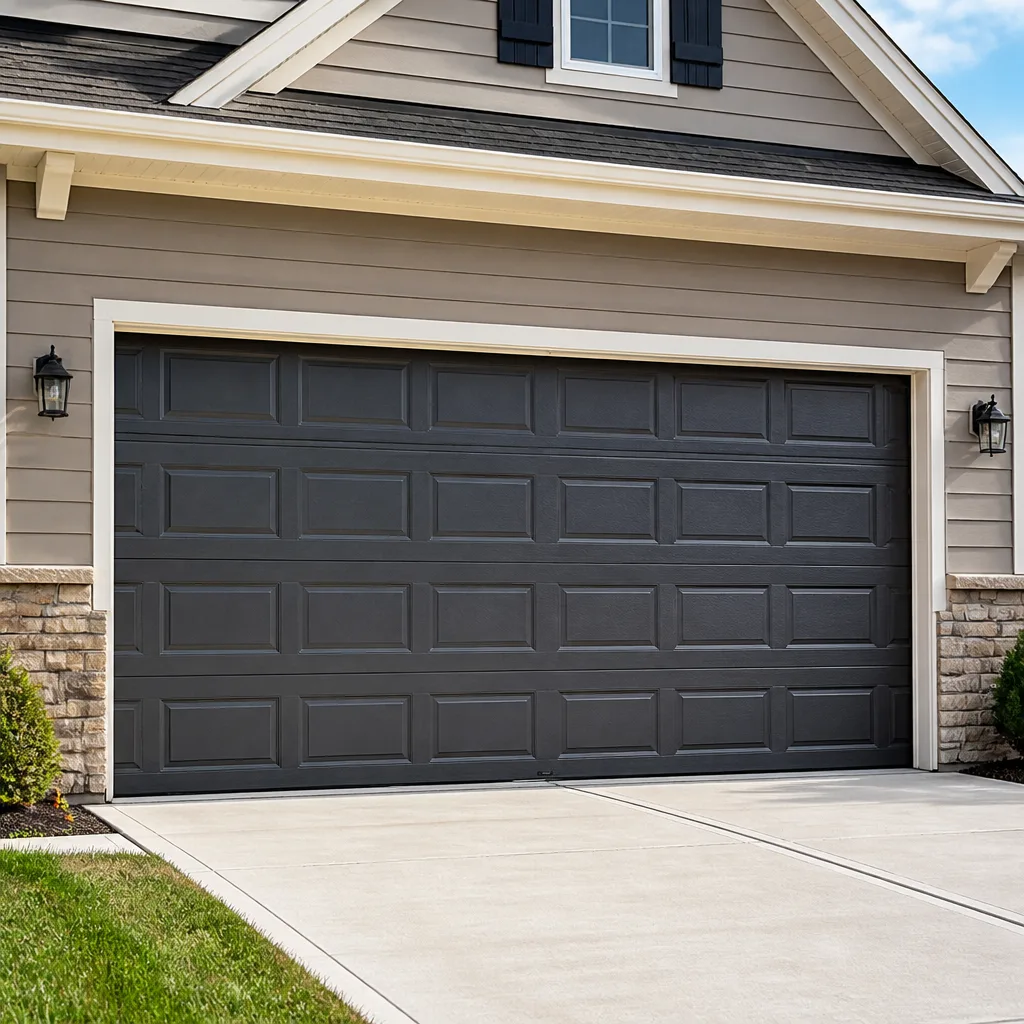 Raised-panel steel
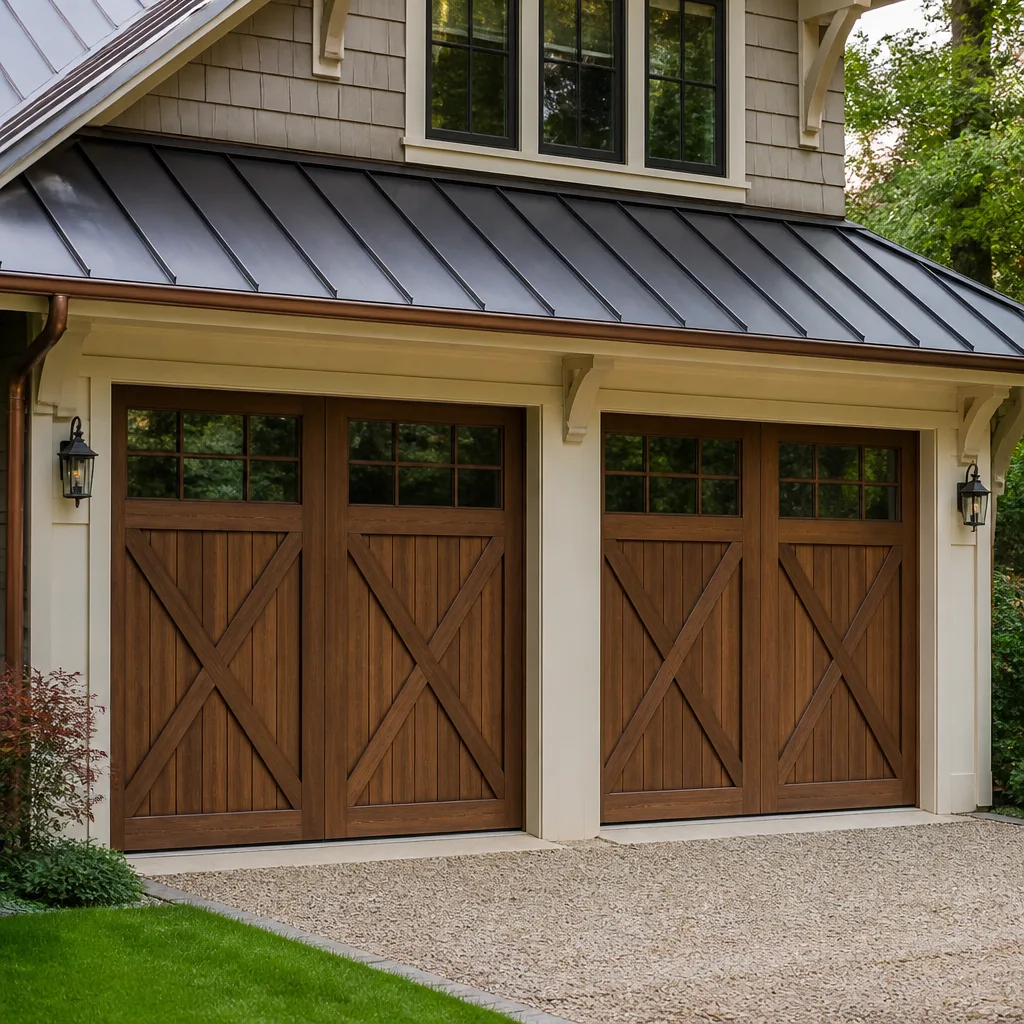 Carriage house
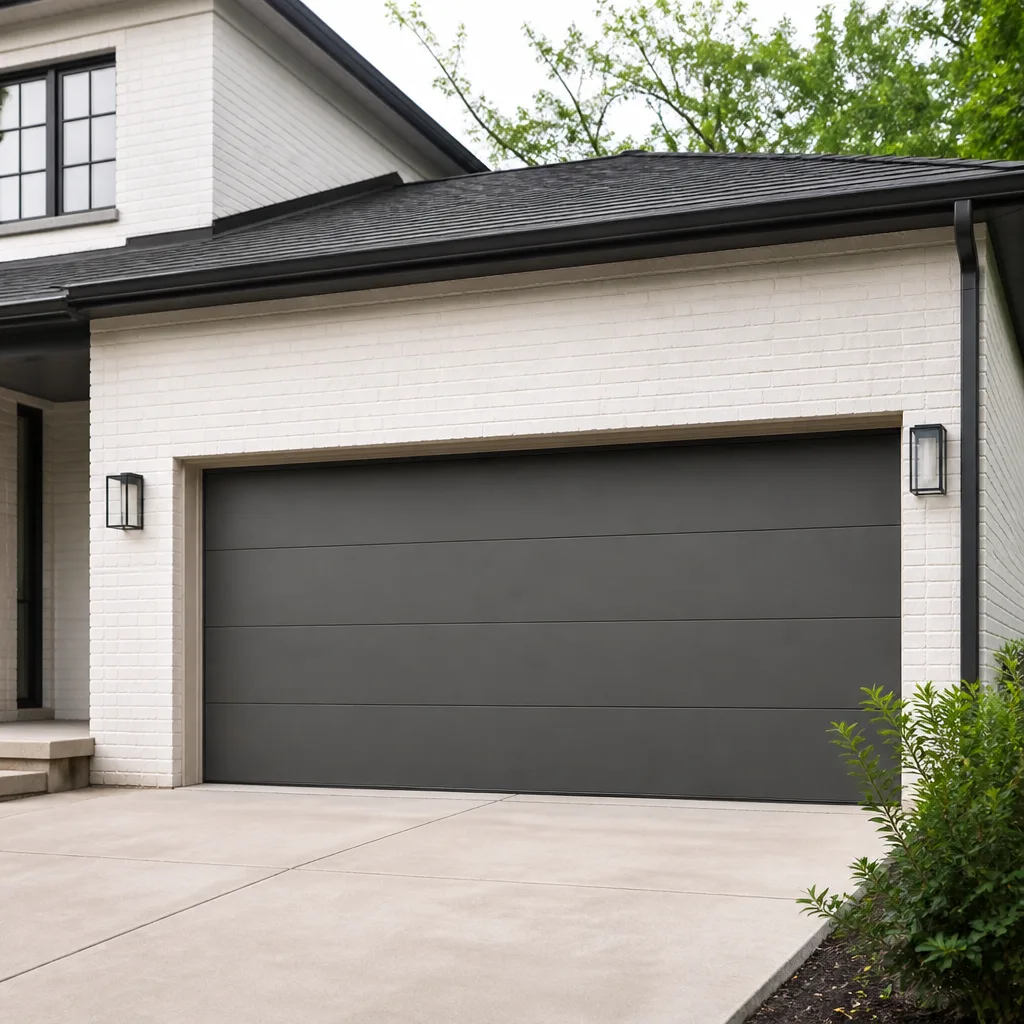 Modern flush
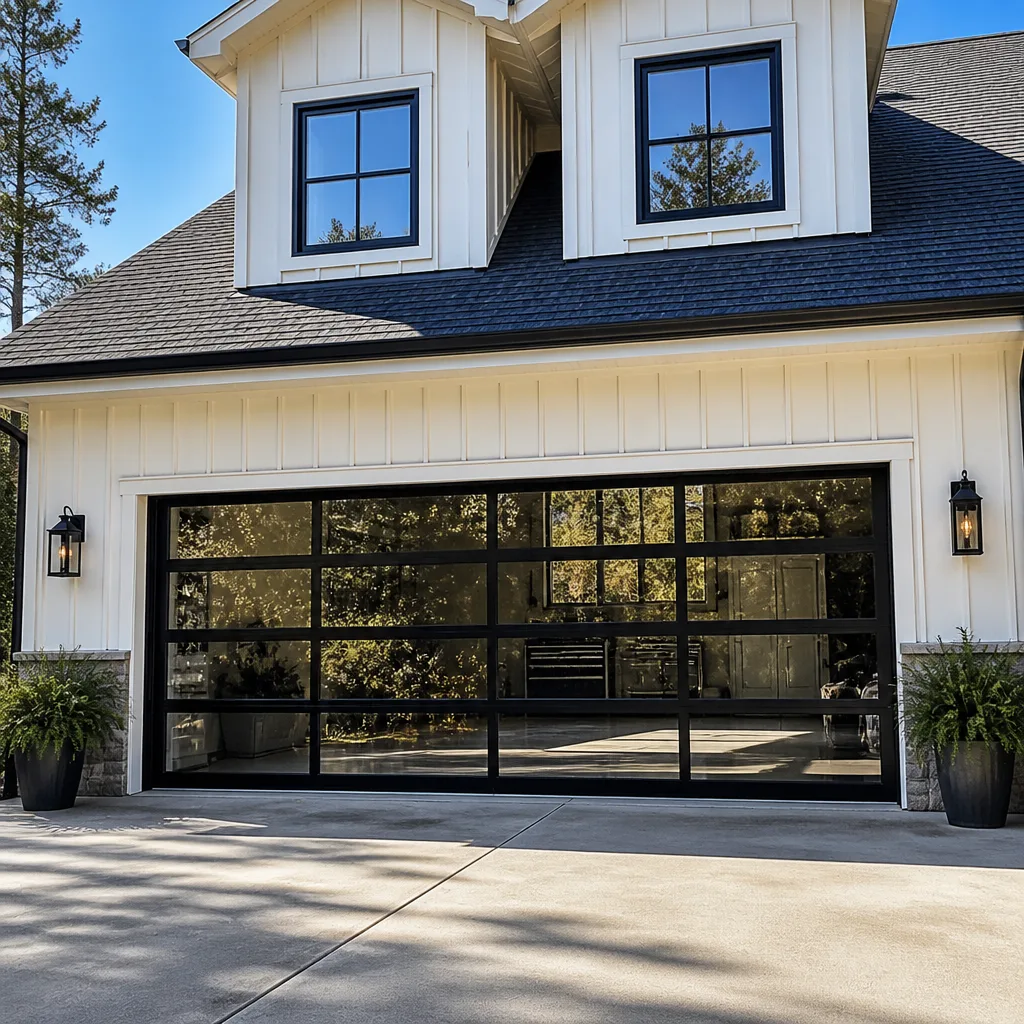 Full-view glass
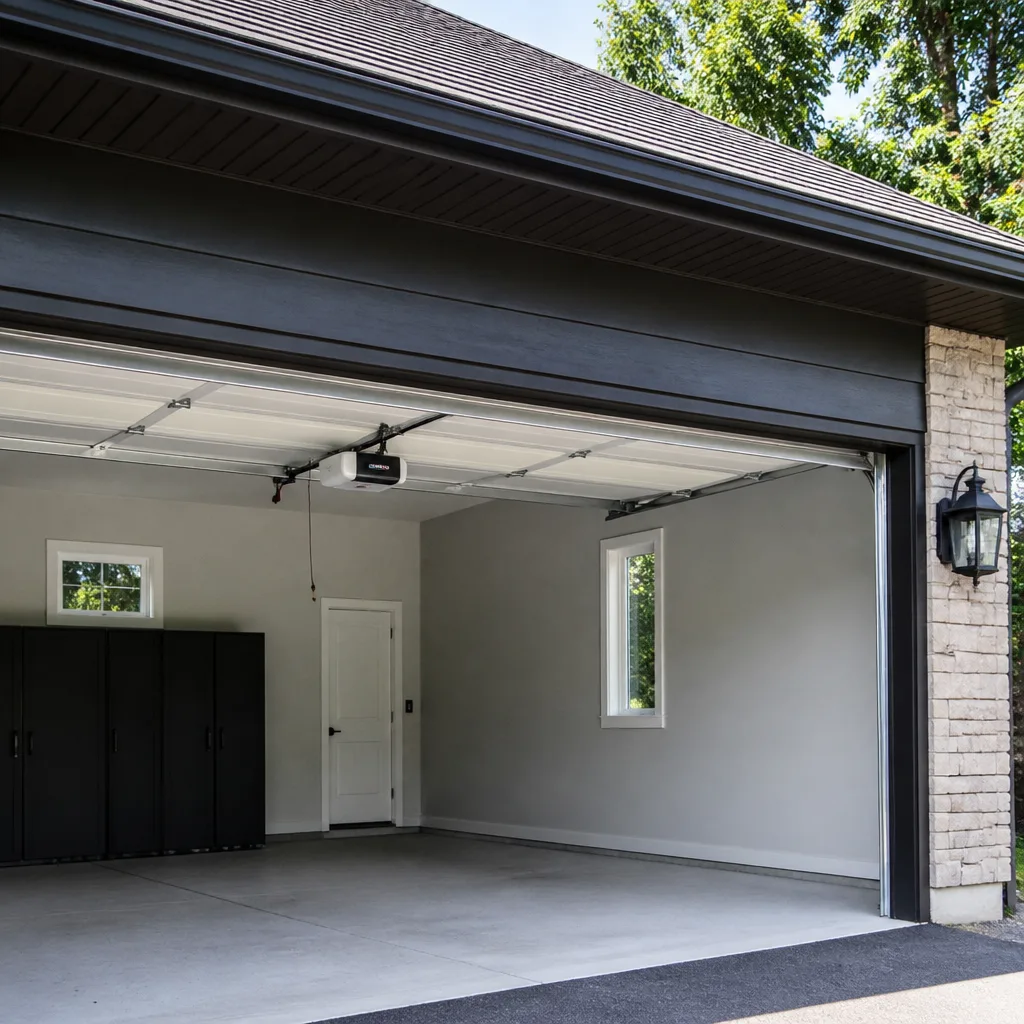 LiftMaster openers
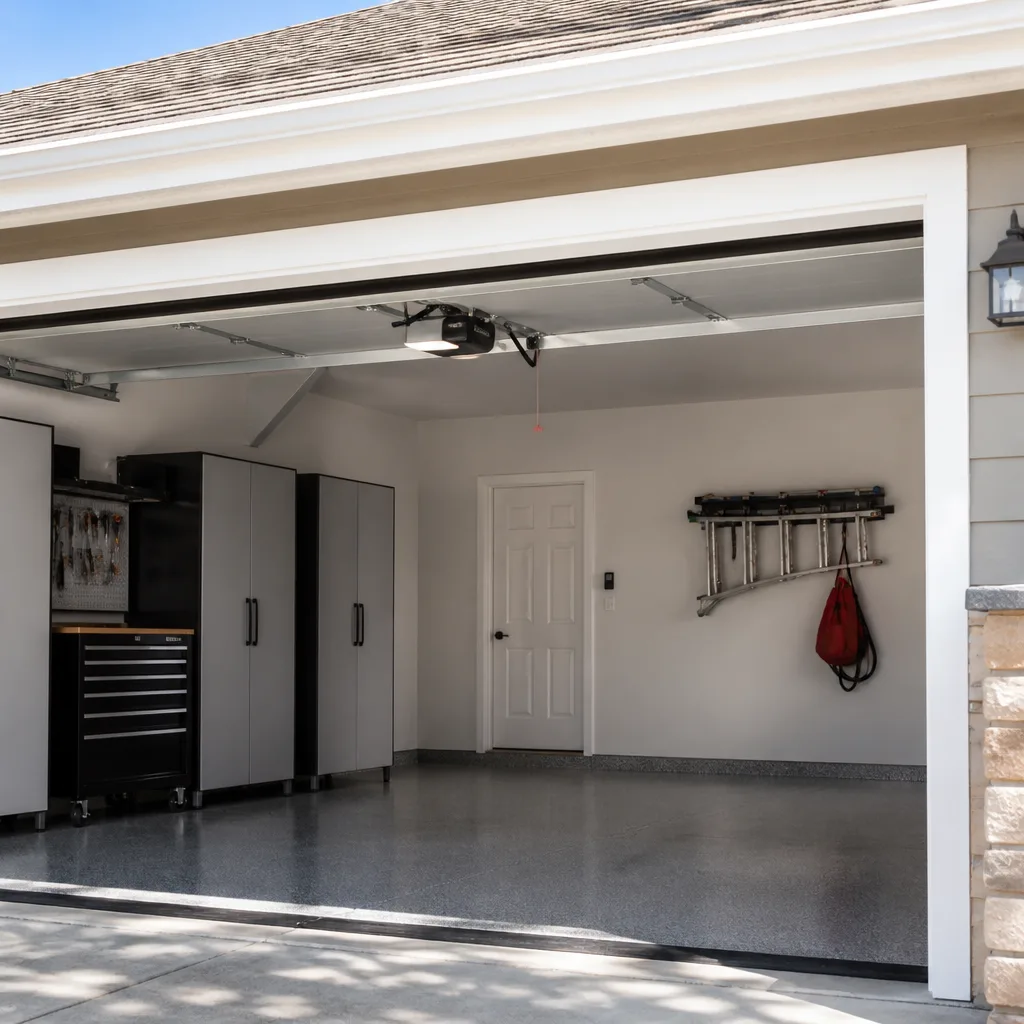 Chamberlain openers
Full 25-point door and opener safety check with every visit - springs, cables, rollers, tracks, and your LiftMaster or Chamberlain opener included
You get a price before we start. It does not change when the pro arrives.
Get your free estimateGarage Door Warning Signs: An Amarillo Homeowner’s Reference Guide
A grinding sound and a squealing sound coming from your garage door are not the same problem. One means a drive mechanism is failing and needs attention now. The other usually means a roller needs lubrication and can wait until the weekend. Homeowners who can’t tell the difference get sold repairs they don’t need, or they ignore a failing opener until the door stops moving entirely. Garage doors don’t break without warning. They send signals first. This guide decodes those signals so you can describe the problem accurately, understand which component is actually talking, and decide whether to call today, call this month, or just keep an eye on it.
Quick Answer
Garage door warning signs fall into four categories: unusual sounds (grinding, squealing, popping, rattling), visual changes (bent tracks, cracked seals, UV-faded panels), opener behavior changes (slow travel, unexpected reversal, remote range loss), and physical symptoms (vibration, uneven movement, a door that won’t stay up). In Amarillo, sun exposure and wind load cause specific wear patterns that show up differently than in milder climates. Each symptom points to a specific component with its own fix and urgency level, and this guide maps them out so you know what you’re dealing with before you call anyone.
Styles & brands we work with
- Raised-panel steel
- Carriage house
- Modern flush
- Full-view glass
- LiftMaster openers
- Chamberlain openers
Table of Contents
- The Sound Decoder: What Each Noise Actually Means
- Visual Warning Signs Specific to Amarillo Conditions
- Spring Warning Signs: Before the Break vs. After
- Opener Behavior Changes Decoded by Root Cause
- The Response-Speed Guide: Fix Today, Fix This Month, or Watch It
- The Five-Minute Monthly Safety Check
- How to Describe Your Problem Accurately
The Sound Decoder: What Each Noise Actually Means
Garage door sounds are diagnostic. A technician who has worked on hundreds of doors can often identify the failing component over the phone based on the description alone, which is why the first step in any repair is simply listening carefully. In our experience, most homeowners lump all “weird noises” together, but each sound comes from a different place in the system.
Grinding. Grinding is the sound of metal on metal that shouldn’t be touching. It usually comes from the opener’s drive gear, a torsion spring that has lost tension, or a hinge that has seized completely. Grinding rarely fixes itself and generally points to a part that’s already damaged rather than one that just needs attention. If you hear grinding, stop operating the door until someone looks at it.
Squealing. Squealing comes from friction, almost always in the rollers, hinges, or the track where the rollers travel. It’s the most benign of the sounds and usually responds to lubricant. A squealing door that moves smoothly and opens fully isn’t an emergency, but it does tell you the rollers are wearing and the door deserves a maintenance pass.
Popping. A single loud pop is often the moment a torsion spring breaks or a cable jumps its drum. If your door suddenly makes one sharp pop and then won’t open, that’s a spring. Popping that repeats in a rhythm as the door moves points to a roller catching on a track joint or a hinge that’s failing.
Rattling. Rattling is the sound of loose hardware. Bolts loosen over time, especially on a door that gets used every day. A rattling door isn’t dangerous yet, but loose bolts put extra stress on the panels and the opener, and getting them snugged down is a straightforward fix.
A note on opener brand sounds
Different openers sound different even when healthy. A chain-drive LiftMaster and a belt-drive from the same brand don’t produce the same noise profile. If you’ve recently moved into a home with a Craftsman opener you’re not used to, a little baseline noise may be normal. The warning is a change from the door’s own baseline, not a comparison to the neighbor’s door.
Visual Warning Signs Specific to Amarillo Conditions
Amarillo’s sun and wind do things to garage doors that milder climates don’t. Panels face west or south and get cooked every afternoon through the summer. Wind comes across open ground and pushes hard against the door face. Both of these show up as specific visual warning signs that you can spot from the driveway.
- UV-bleached or chalky panels. A door that has faded unevenly or feels chalky to the touch has lost its finish to sun exposure. The paint isn’t the problem; the underlying steel or wood is now unprotected and can start to rust, crack, or delaminate. Steel and insulated panels from Clopay and Amarr are painted for weather, but any finish loses ground after enough summers.
- Wind-bent track. Amarillo wind pushes against the door, transfers the load to the track, and gradually bends the vertical and horizontal track out of alignment. You can spot it by standing inside the garage and sighting along the track edge. It should be perfectly straight. A visible bow means the rollers are fighting the track every time the door moves.
- Sun-cracked weather seals. The rubber seal along the bottom and sides of the door hardens and cracks in the sun. Once cracked, it stops keeping out dust and insects, and it can grab the door frame as it opens.
- Panel separation and sagging. Sun and heat cause hinge points to loosen, letting panels sag or separate. Look along the horizontal seams on the inside of the door; any gap that’s wider than it used to be is the sign.
- Rust at the bottom edge. The lowest section of the door takes the most abuse from water and dust. Surface rust along a bottom edge is a signal that the seal is failing and moisture is sitting against the panel.
If you see more than two of these at once, the door is at the point where a repair pass makes more sense than one-off fixes. That’s when a call to a garage door repair specialist is worth more than a weekend of guesswork.
Spring Warning Signs: Before the Break vs. After
The most common way homeowners get caught off guard is by assuming a spring only fails all at once. In reality, torsion springs send warning signs for weeks. Learning to read them is the difference between a scheduled repair and a door that’s stuck closed with your car on the wrong side of it.
Before the break. A torsion spring gradually loses tension. That means the door feels heavier when you lift it by hand, or the opener has to work harder to get it up. You might notice the door opening more slowly, or a slight hesitation at the halfway point. You might also hear a rhythmic ticking as the spring winds and unwinds; that’s the coil contact changing. A spring that looks slightly gapped or offset from its neighbor on the same shaft is also telling you something. None of these mean the spring will snap today, but together they say the spring is past its comfortable working life.
After the break. When a torsion spring breaks, you’ll typically hear a loud pop, the door will feel extremely heavy, and the opener will either strain or refuse to move the door at all. The spring itself will often show a visible gap in the coil. Do not try to open or force a door with a broken spring. The door can come down unpredictably, the opener can tear itself apart, and working on a torsion spring under load is one of the most dangerous jobs in the trade. This is a call-a-professional situation every time.
One spring or two?
Most newer doors use a matched pair of torsion springs, and when one breaks, the other is usually at the same wear stage. That’s why technicians typically replace both. A price quoted for one spring is for one spring; a matched pair runs about twice that, and it’s the honest way to price the job.
The same goes for extension springs on older doors in Amarillo: they stretch over time, they show wear at the hook points, and they fail without much warning. When a technician comes out to look at an aging Wayne Dalton or Raynor door with extension springs, they should be checking the mounting hardware and safety cables at the same time as the springs themselves.
Opener Behavior Changes Decoded by Root Cause
Opener problems look like door problems until you know what to check. A door that reverses unexpectedly isn’t necessarily a bad opener; it might be a misaligned safety sensor, a track issue, or an obstruction. Decoding the root cause keeps you from replacing an opener that’s actually fine.
Slow travel
An opener that suddenly opens the door more slowly than it used to is usually fighting something. That could be a spring that’s lost tension (the opener is doing work the spring should be doing), a track that’s out of alignment, or rollers that have seized. It could also be a failing capacitor or drive gear inside the opener itself. The way to tell is to disconnect the door from the opener (most openers have a manual release) and try lifting the door by hand. If it feels heavy, the problem is the door, not the opener. If it lifts easily, the opener is the suspect.
Reversing unexpectedly
On a LiftMaster or Chamberlain opener, an unexpected reversal is almost always the safety sensor system or a force-limit setting. The sensors at the bottom of the track need a clear line of sight to each other. Amarillo dust and windblown grit can cloud the lenses, and a spider web across the beam will do it too. Wipe the lenses and check the alignment indicator light. If the sensors are clean and aligned, the force limits may have drifted, which a technician can reset.
Remote range loss
A remote that used to open the door from down the block and now needs to be almost at the door isn’t usually a battery issue (though that’s the first thing to try). On a Genie or Craftsman opener, range loss often points to a failing receiver board, antenna damage, or LED bulbs in the garage that are interfering with the radio signal. Swapping to a different brand of bulb is a free experiment; if the range is still bad, the receiver needs a look.
Opener runs but door doesn’t move
When you hear the opener motor running but the door doesn’t move, the connection between opener and door has failed. On a belt or chain drive, that’s often a stripped gear or a broken trolley. On a screw drive, it can be a worn carriage. This is an opener repair, not a door repair, and it’s worth getting a specialist who works on garage door opener repair regularly rather than a generalist who will suggest a whole new unit.
The Response-Speed Guide: Fix Today, Fix This Month, or Watch It
Not every warning sign is an emergency, and treating them all as urgent is how homeowners end up paying for repairs they didn’t need this week. Here’s the honest triage most technicians use. Use it as a starting framework, not a substitute for an on-site look.
Fix today (stop using the door)
- Loud pop followed by a door that won’t stay up. That’s a broken spring. Don’t run the opener; call us.
- Cable hanging loose or wrapped around the drum. Cable failure can whip and cause injury. Stop using the door immediately.
- Door visibly off its track or leaning to one side. Running it further can bend panels and damage the opener.
- Grinding from the opener motor followed by a door that won’t move. The drive gear is failing and every cycle makes it worse.
- The door comes down on its own after opening. This is a spring or cable failure; the door is unsafe.
Fix this month
- Popping or squealing that repeats as the door moves. Rollers, hinges, or track alignment. Safe to use sparingly but better to fix soon.
- Slow opener travel. Get it diagnosed before the opener burns itself out.
- Sun-cracked bottom seal. A cheap repair that prevents a bigger moisture problem.
- Rattling hardware. Loose bolts put stress on panels and hinges; snug them down.
- Remote range that keeps getting worse. Likely the receiver or interference; diagnose before replacing the remote.
Watch it
- Faded or chalky paint. Not urgent, but plan a repaint or a panel refresh before the finish fails.
- Minor surface rust on the bottom panel. Keep an eye on it; if it spreads, the seal is trapping moisture.
- Slight vibration in the door as it moves. Often just balance; check again in a few weeks.
- One dud remote among several that still work. Usually a battery or a bad remote; try a replacement before suspecting the opener.
The Five-Minute Monthly Safety Check
A five-minute check once a month catches most of the warning signs before they turn into failures. Do this from the ground, with the door closed, and never put your hands near the springs, cables, or the hinges under tension.
- Listen. Run the door up and down once. Note any new sound that wasn’t there last month.
- Look at the springs. From a safe distance, check for visible gaps, uneven coil spacing, or a spring that looks different from its neighbor on the same shaft.
- Sight down the tracks. Stand inside and look along each track edge. Look for bends, dents, or debris caught in the channel.
- Check the bottom seal. Run your eyes along the rubber seal for cracks, tears, or sections that have pulled away from the door.
- Test the safety reverse. With the door open, place a roll of paper towels or a small box under the closing edge and run the door down. It should reverse on contact. If it doesn’t, the opener’s safety system needs attention before you use the door again.
- Check the sensors. Look at the two sensors on either side of the door. Most have a small indicator light that stays on when the beam is clear. If it’s flickering or off, clean the lenses and check the alignment.
If any of these checks turn up something that makes you uneasy, we offer Gibson Garage Door Repair services for homeowners across Amarillo and the surrounding area. A quick diagnostic is cheaper than a broken door.
How to Describe Your Problem Accurately
An accurate description over the phone often saves a diagnostic trip and gets the right parts onto the call the first time. Here’s how to describe what you’re hearing and seeing so a technician knows what they’re walking into.
- “Grinding from the opener.” Say where the sound seems to come from (ceiling vs. door) and whether the door moves at all.
- “Popping when the door opens.” Note whether it’s one pop or repeated, and whether the door moves smoothly afterward.
- “Door won’t open but opener runs.” Say whether you can hear the motor and whether the manual release is engaged.
- “Door reverses on its own.” Mention whether it reverses at the same point every time or randomly.
- “Loud pop and now it won’t lift.” That’s the classic spring failure description; mention if you can see a gap in the spring coil.
- Your opener brand. “LiftMaster” or “Chamberlain” or “Genie” tells the technician which parts and diagnostic steps to bring along.
Being able to say “my Craftsman opener grinds and the door won’t lift” is worth more than “the door is broken.” It points straight at the drive gear or the spring, and it saves time.
Common Mistakes to Avoid
- Treating every noise as an emergency. Squealing rollers aren’t a reason to pay for a same-day call; a grinding opener is. Match the response to the sound.
- Ignoring a slow opener. A slow opener is almost always telling you the spring, track, or rollers are dragging. Left alone, it burns out the motor, which turns a moderate repair into a full replacement.
- Pulling the manual release on a door with a broken spring. The door can come down hard. Springs and cables are load-bearing; don’t try to work around a broken one.
- Replacing the whole door over a stamped panel. A single dented panel on a Wayne Dalton or Raynor door can usually be swapped without replacing the door. Get a second opinion before agreeing to a full replacement.
- Greasing the tracks. Tracks should stay dry; grease attracts dust, and Amarillo wind brings plenty. Lubricant belongs on rollers, hinges, and springs, not the track surface.
- Buying a new opener when the remote just needs a battery. Try the cheapest fix first: fresh batteries, wiped sensors, and a range test. Most “opener failures” resolve at that level.
- Skipping the monthly reverse test. The safety reverse is the one thing that stops a door from coming down on someone. It’s the cheapest safety check you’ll ever do.
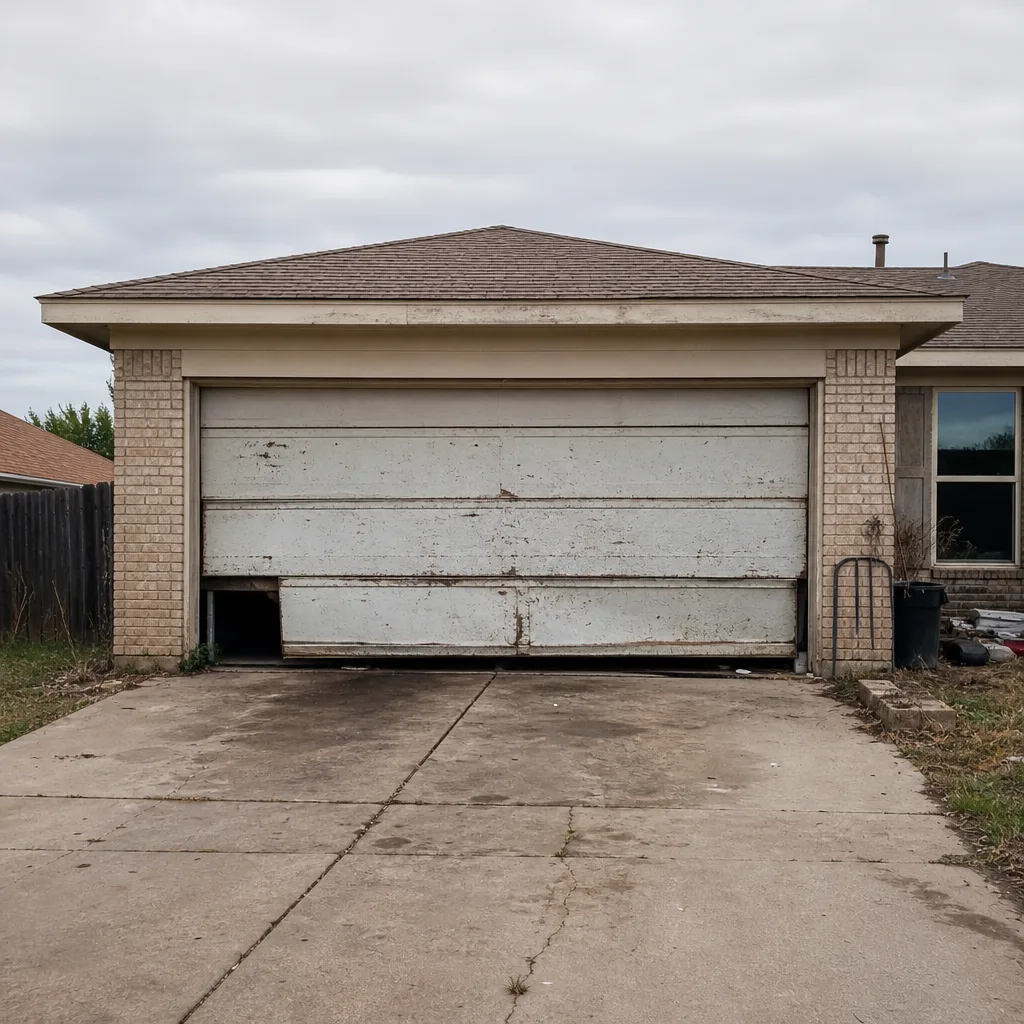
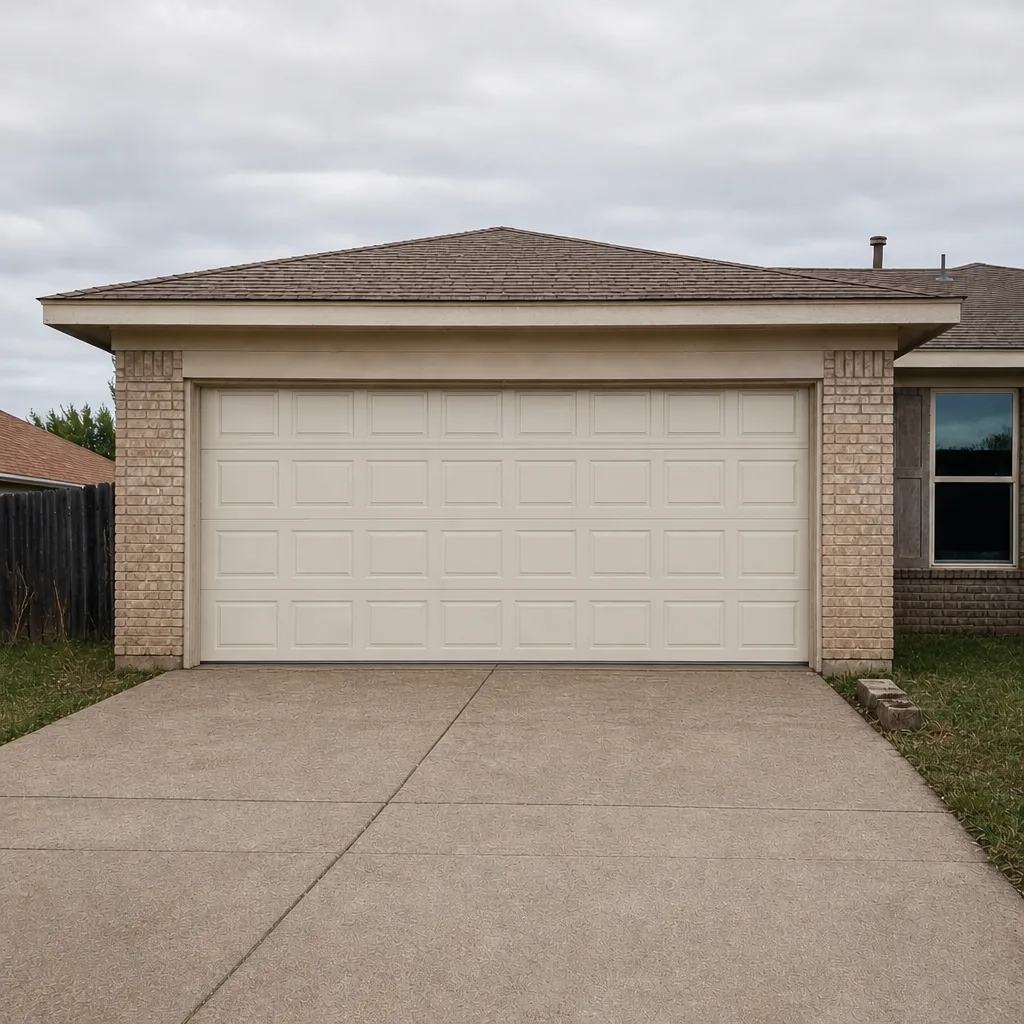
See the difference
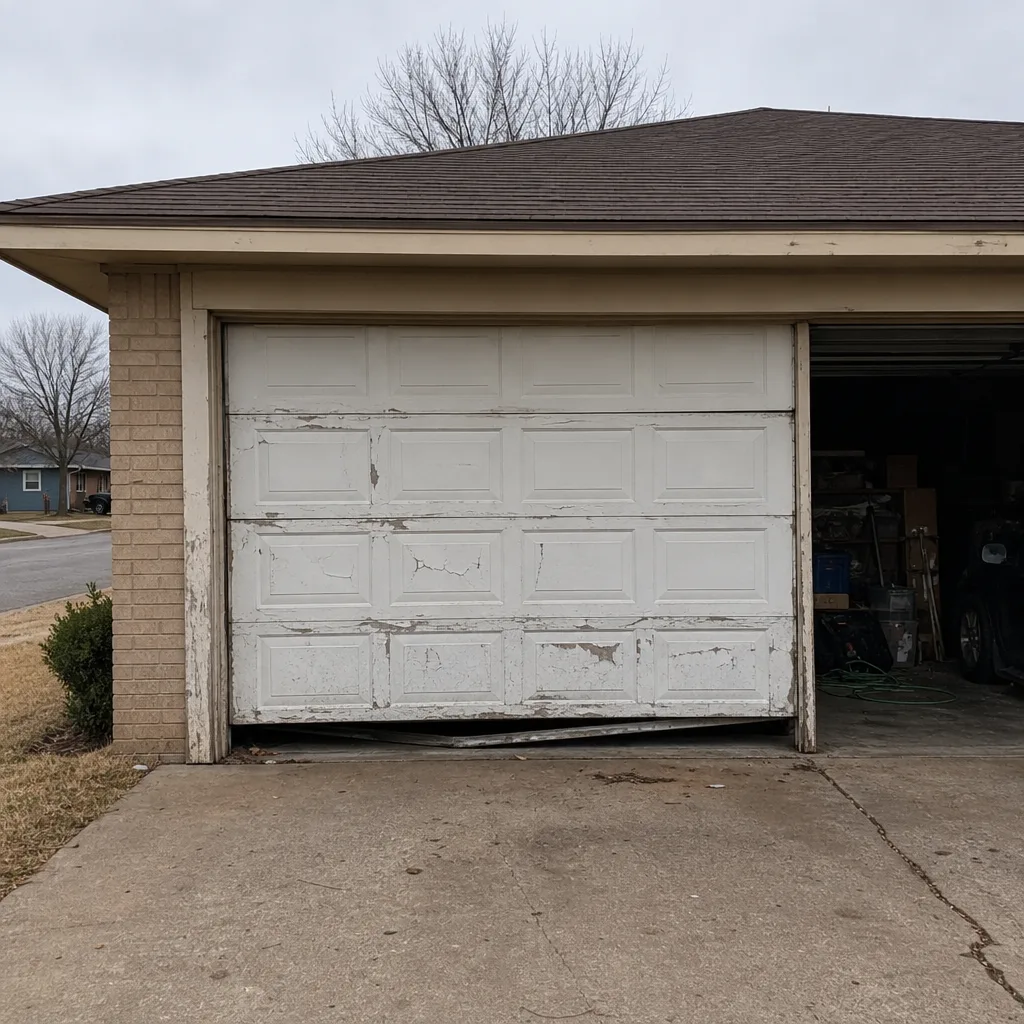 Before
 After
 Before
 After
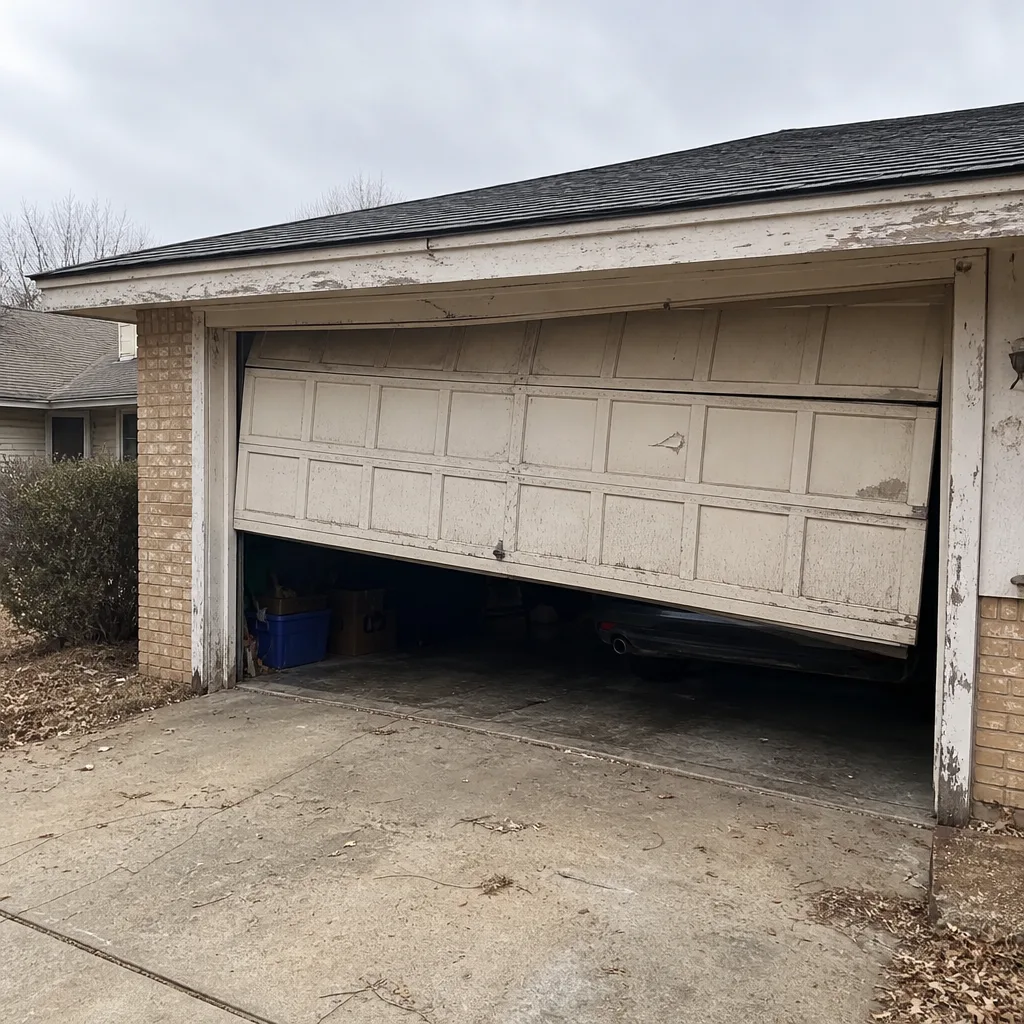 Before
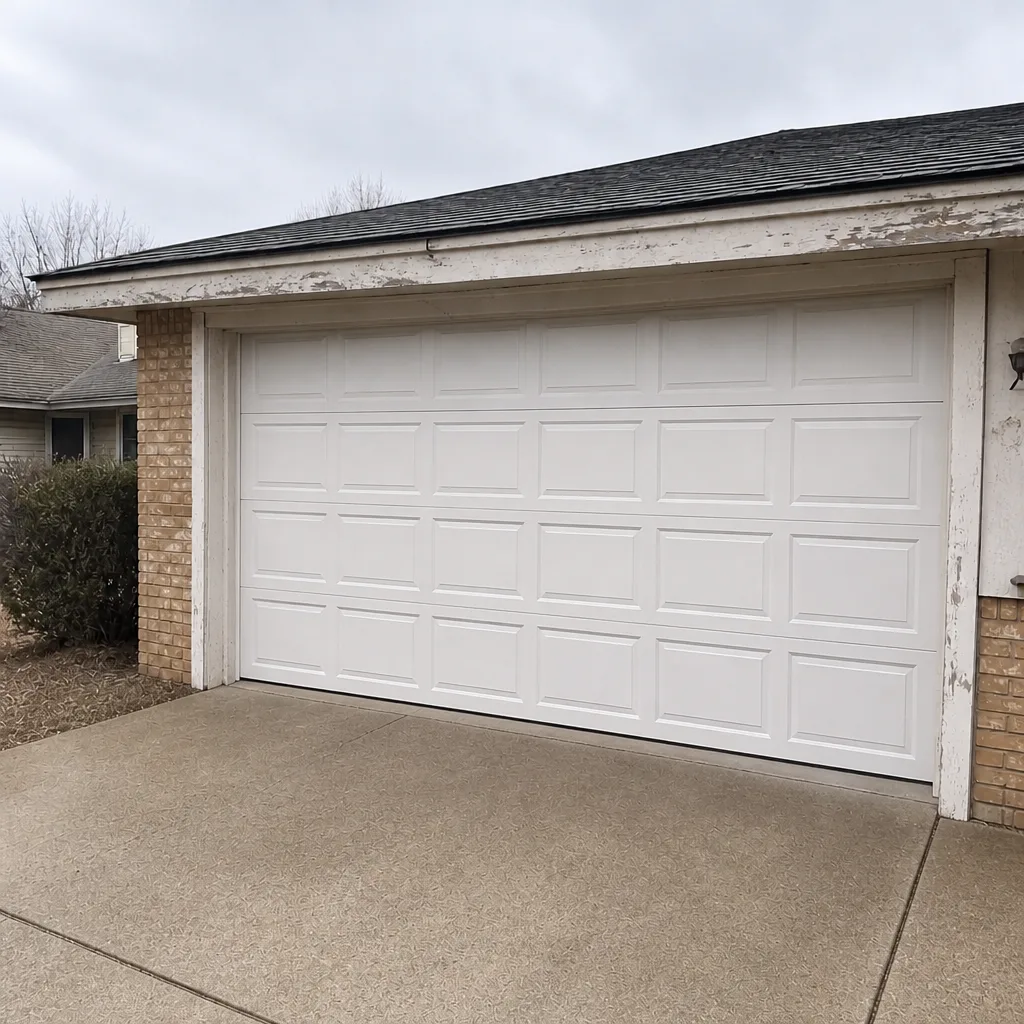 After
When to Call a Professional
Call a professional the moment any of these show up: a door that won’t stay up, a broken spring, a loose or unwrapped cable, a door that’s off its track, an opener that grinds or fails to move the door, and a safety reverse that doesn’t trigger. Skip the DIY on springs, cables, and any load-bearing part. Those are the parts that injure homeowners every year, and no how-to video makes working under tension safe.
For the smaller signs (squealing rollers, rattling hardware, a cracked seal, slow opener travel), you still want a trained eye, just not an emergency visit. Gibson Garage Door Repair offers free estimates in Amarillo. Our technicians have up to 15 years of experience and work on what you already have, from LiftMaster openers to Clopay, Amarr, Wayne Dalton, and Raynor doors. Call (888) 274-6713. We answer 24/7. Fast dispatch from 7am to 7pm, Sunday through Friday.
Frequently Asked Questions
The first sign is usually a change in weight and speed: the door feels heavier when lifted by hand, or the opener takes noticeably longer to raise it. You might also hear a rhythmic ticking as the spring winds, or see a slight gap or offset in the coil compared to its neighbor. If the door suddenly gets very heavy and the opener struggles, the spring may already have broken. Call (888) 274-6713 for an exact diagnosis; estimates are free.
Grinding from the ceiling-mounted opener itself points to the drive gear or motor, while grinding from the door area usually means a hinge, roller, or track problem. A quick way to test is to pull the manual release and lift the door by hand. If it lifts smoothly, the noise is likely the opener. If it grinds or binds, the issue is in the door hardware. Either way, stop running the door until a technician looks at it. Call (888) 274-6713 for a free estimate.
Most of the time it’s the door, not the opener: a spring that’s lost tension, a bent track, or a seized roller is making the opener work harder than it should. Testing the door by hand with the opener disconnected tells you which side of the system is failing. Left alone, a slow door burns out the opener motor, so get it looked at before that happens. Call (888) 274-6713 for an exact quote.
Cost depends entirely on the component: roller and hinge work is at the low end, opener drive repairs sit in the middle, and spring or track replacement is at the higher end. Because Amarillo doors take sun and wind load that shortens the life of rubber seals and track alignment, the fix list often includes more than one small item. The written estimate you approve before any work starts is the final price. Call (888) 274-6713 for a free estimate.
In many cases, yes. A single damaged panel on a Clopay, Amarr, Wayne Dalton, or Raynor door can usually be swapped without replacing the door, as long as the model is still available and the surrounding panels are sound. A technician will check the tracks and hinges at the same time to make sure the replacement panel won’t be stressed by a bent track. Call (888) 274-6713 to see whether a panel-only fix fits your door.
Not dangerous, but it does mean the opener is doing what it’s supposed to and detecting something in the way. The usual culprits are dirty or misaligned safety sensors, a spider web or debris in the beam, or a force-limit setting that has drifted. Clean the sensor lenses and check the alignment indicator light. If it keeps reversing, call (888) 274-6713 for an exact quote on a diagnostic and reset.
The Bottom Line
Garage door warning signs are a diagnostic language, and once you can read it, you stop guessing. Grinding means a drive part is failing. Squealing means friction. A single loud pop means a spring. Slow travel usually means the door is dragging, not the opener. In Amarillo, add UV-faded panels, wind-bent tracks, and sun-cracked seals to the list of things to watch, and run the monthly safety reverse test so you know the door is working the way it should.
When a sign points to springs, cables, or anything load-bearing, stop using the door and call someone. For everything else, a planned repair beats an emergency every time. Our licensed and insured technicians serve homeowners throughout Amarillo and work on what you already have. Call (888) 274-6713 for a free estimate. We answer 24/7. Fast dispatch from 7am to 7pm, Sunday through Friday. Your price is quoted and agreed before any work starts.
Written by the team at Gibson Garage Door Repair.